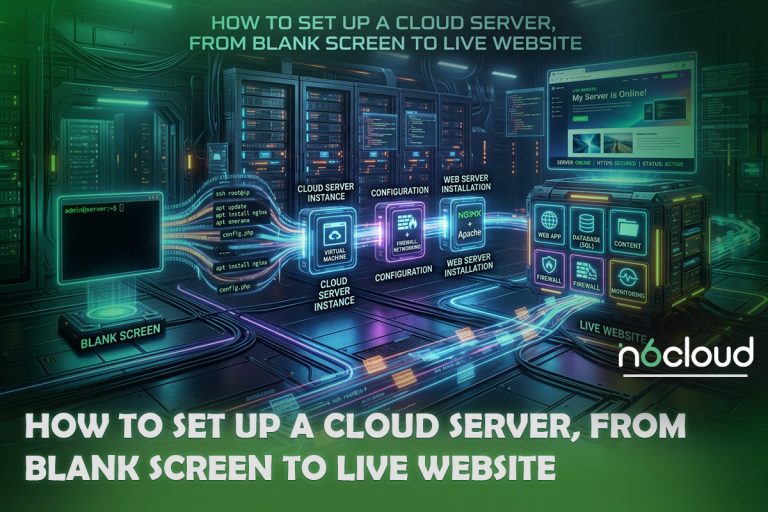
Setting up your first cloud server can feel like a test you might fail in public. Most people worry about two things: breaking something they can’t undo, and leaving a door open for someone else. This guide shows how to ...

Pages load fine all week, then crawl every Monday morning, and the CPU graph in your control panel turns red. Buying the next size up may fix it, or it may double the bill and leave the real bottleneck in ...
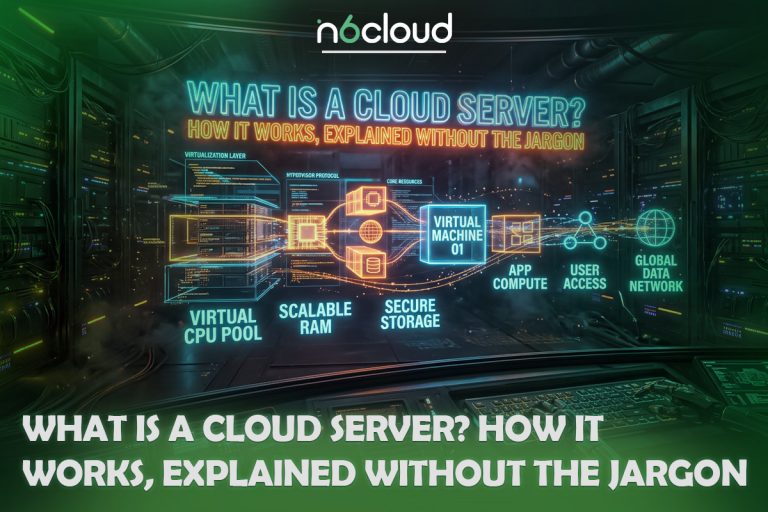
A cloud server is a virtual computer you rent over the internet, usually paid for by the hour. If searching “what is a cloud server” turned up only jargon, a simpler picture helps. Owning a dedicated server is like owning ...

You have a project that needs to go live. Maybe it is a thesis application with a Postgres database behind it, a portfolio that has outgrown a free static host, or a first paying client who wants their site somewhere ...
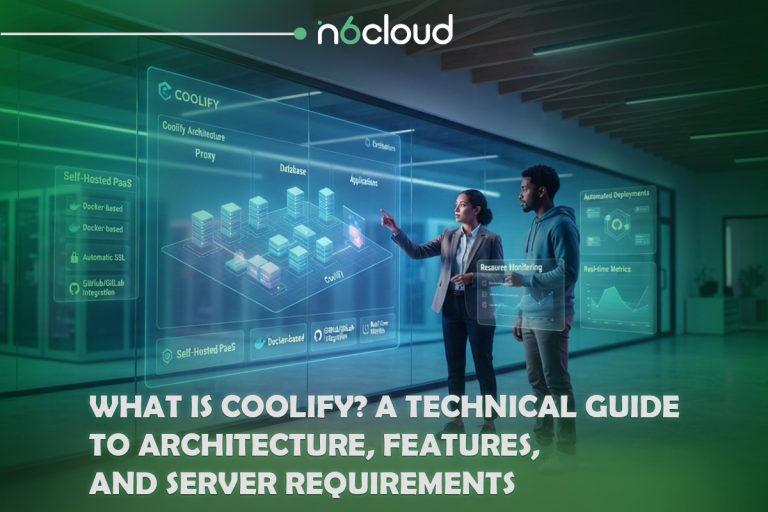
Most teams do not leave a managed platform because it stopped working. They leave because the invoice stopped tracking the value of the workload and started tracking the traffic instead, and a successful launch and a scraper hammering an API ...

High traffic is the goal every website owner works toward, yet it is also the moment when weak infrastructure is exposed. A campaign lands, a post spreads, a product launches, and suddenly the same site that felt quick with a ...
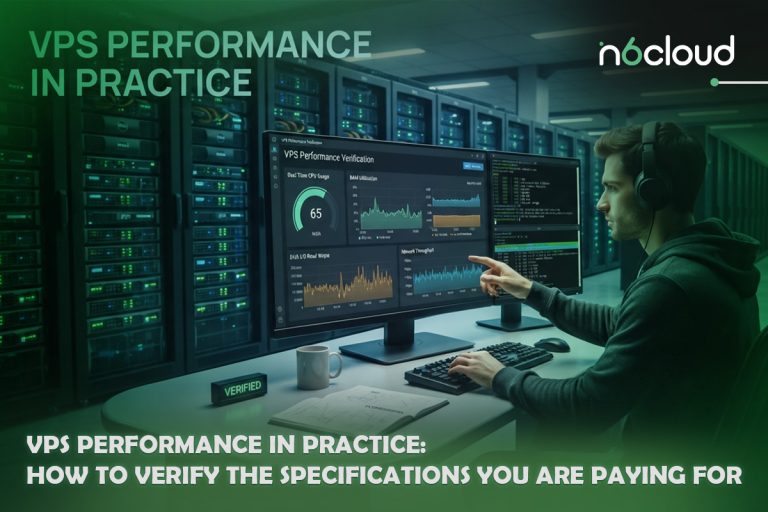
Two virtual private servers can carry identical specification sheets, cost within a dollar of each other, and still differ several times over in production. The same four vCPUs and eight gigabytes of memory can deliver a comfortable margin on one ...

Choosing a cloud provider used to be a fairly simple exercise. You compared a few price lists, checked how much storage and compute you would receive, and signed up with whoever offered the most for the least. In 2026, that ...
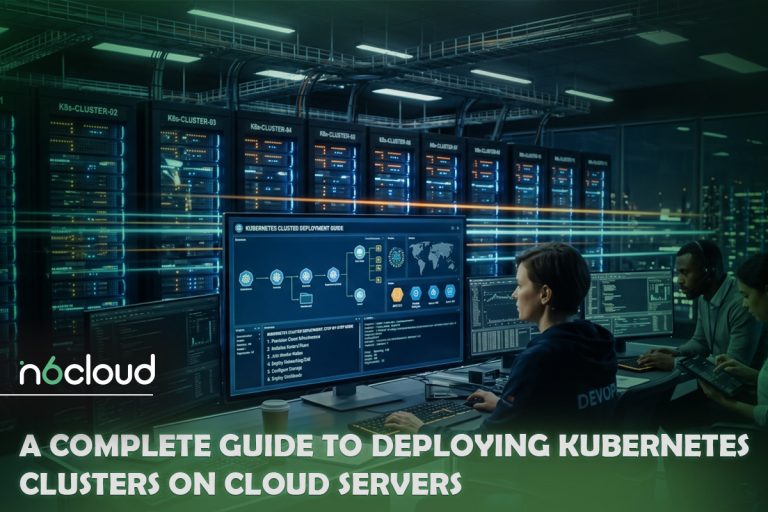
Over the past decade, the way organizations build and deploy applications has changed dramatically. Traditional monolithic applications running on a handful of dedicated servers have gradually given way to distributed, cloud-native systems composed of multiple services working together. This shift ...

As small businesses grow online, hosting requirements often become more demanding than what standard shared hosting can reliably support. A website that once handled modest traffic may eventually need to support e-commerce transactions, customer portals, booking systems, or marketing campaigns ...